
Back Pain Chiropractor Parkville, MD

How Chiropractic Care for Back Pain
Works
Initial Evaluation Process
The first visit includes a review of your health history and a physical examination of the spine and affected areas. The chiropractor assesses joint mobility, posture, and movement patterns to identify areas of restricted motion or misalignment.
Treatment Planning
Based on the evaluation findings, a treatment plan is developed. This plan outlines the recommended frequency and type of care, which may include spinal adjustments, soft tissue work, or corrective exercises. Treatment plans vary depending on individual findings.
Spinal Adjustment Techniques
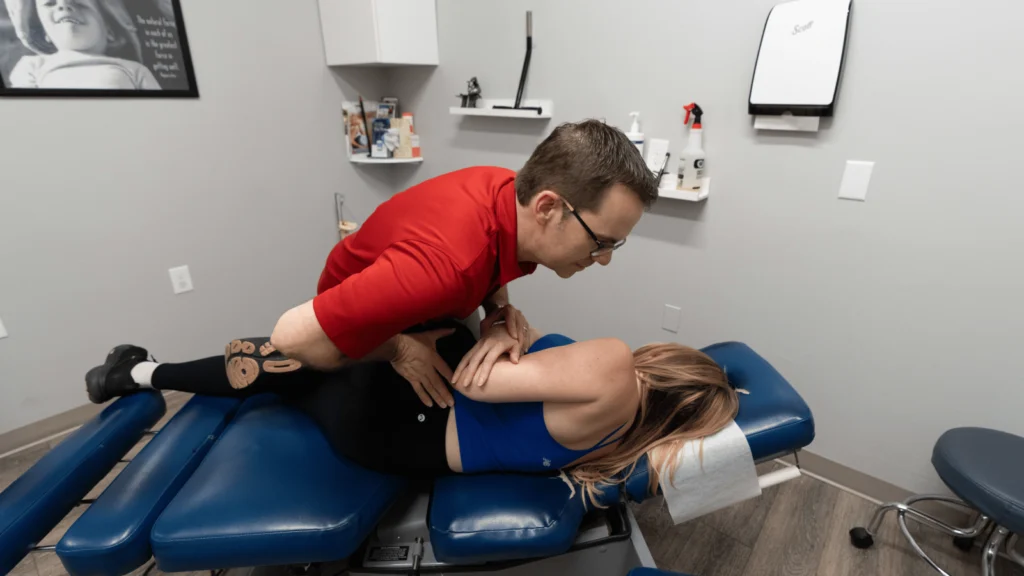
Spinal adjustments involve applying controlled force to specific joints to support improved movement and alignment. These adjustments are performed manually and are tailored to each patient's tolerance and our diagnostic findings. The technique used depends on the location and severity of spinal dysfunction.
Ongoing Assessment
Progress is monitored through regular reassessment of symptoms, mobility, and function. Adjustments to the treatment plan are made based on response to care. The duration and intensity of care depend on individual factors and how the body responds.
What Conditions Chiropractic
Care Addresses
Types of Back Pain Commonly Treated
Chiropractors often treat patients with lower back pain, mid-back discomfort, or stiffness related to posture or movement patterns. Care may also address pain associated with muscle strain or joint irritation.
Scope of Chiropractic Care
Chiropractic care focuses on musculoskeletal issues and conservative, non-invasive approaches. Within this service, care is evaluative and symptom-focused, and does not include medical diagnosis, surgery, or prescription-based drug treatment.
When Referral Is Necessary
Certain symptoms require medical evaluation rather than chiropractic care. These include severe or progressive neurological symptoms, unexplained weight loss, or pain following significant trauma. Chiropractors refer patients to appropriate medical providers when symptoms fall outside the scope of chiropractic practice.
Should I See a Chiropractor If
My Back Hurts?
When Chiropractic Evaluation May Be Relevant
If your pain is mild to moderate, a chiropractic evaluation may be appropriate. Pain that worsens with movement or improves with rest or stretching often falls within the chiropractic scope of practice.
When Medical Evaluation Is Necessary First
Seek medical evaluation before considering chiropractic care if you experience:
- Severe pain
- Numbness or weakness
- Loss of bowel or bladder control
These symptoms require immediate medical attention.
The Evaluation Process
Consulting a chiropractor for an initial evaluation can help determine whether your symptoms are appropriate for chiropractic services. The evaluation includes questions about your pain history and a physical assessment.
This helps identify whether spinal dysfunction is contributing to your symptoms. Chiropractic care is one option among several for managing back pain. Its appropriateness depends on individual circumstances.
How Do I Choose the Right Chiropractor?

Credentials and Licensing
Verify that the chiropractor is licensed in Maryland and maintains active credentials. Licensing ensures that the provider has completed the required education and meets applicable state regulatory standards.
Experience with Back Pain
Ask about the chiropractor's experience treating back pain and the techniques they use. Some chiropractors specialize in specific adjustment methods or patient populations. Understanding their approach helps determine whether it aligns with your preferences.
Communication and Transparency
A chiropractor should clearly explain their findings, treatment recommendations, and expected duration of care. They should answer questions without pressure and provide information that helps you make informed decisions. Transparency about the evaluation process and treatment options builds trust.
Office Location and Accessibility
Consider the clinic's location and accessibility, especially if care requires multiple visits. A local provider in Parkville reduces travel time and makes it easier to maintain a consistent care schedule.
What Are the Downsides of Going to a Chiropractor?
Variability in Results
Temporary Discomfort
Need for Multiple Visits
Not a Substitute for Medical Care
When Should You Not Go to a Chiropractor?
Severe Neurological Symptoms
Seek immediate medical attention if you experience:
- Severe pain
- Numbness or weakness
- Loss of bowel or bladder control
These symptoms may indicate serious nerve compression or spinal cord involvement that requires urgent medical evaluation.
Recent Trauma or Injury
Spinal fractures, dislocations, or severe injuries from accidents require medical imaging and care before any manual manipulation. Chiropractic adjustments are typically postponed until serious injury has been ruled out.
Certain Medical Conditions
Some medical conditions, including severe osteoporosis, spinal infections, or cancer affecting the spine, require coordination with a medical provider. In these cases, chiropractic care may not be appropriate without prior medical clearance.
Is It Worth Going to a Chiropractor
for Back Pain?
When Chiropractic Care May Be Appropriate
If you prefer non-invasive care, want to avoid medication, or have pain related to joint stiffness or muscle tension, a chiropractic evaluation may be worth considering. Some patients report symptom improvement through spinal adjustments and corrective exercises.
Factors That Influence Outcomes
Individual factors such as age, overall health, the severity of dysfunction, and adherence to care recommendations affect results. Patients with acute, recent-onset pain may respond differently from those with chronic, long-standing pain.
Realistic Expectations
Chiropractic care should be approached with realistic expectations. It is not a cure for back pain and does not work for everyone. Outcomes vary, and some patients require additional or alternative care.
Considering Alternatives
Other options for managing back pain include physical therapy, massage, exercise, and medical treatment. Some patients benefit from combining chiropractic care with other approaches. Discussing alternatives with healthcare providers helps you make informed decisions.
Who This Service Is For
- Have pain related to posture, movement patterns, or joint stiffness
- Are you comparing local chiropractic options
- Want to confirm whether chiropractic care aligns with your needs before scheduling an initial visit